What Are the Praxis Tests?
The Praxis tests are used to determine whether prospective teachers have gained the knowledge and skills to begin working in the classroom. There are many Praxis tests for teachers and they are typically divided by grade level, subject, and content knowledge. Not every state requires the Praxis, but candidates must pass the requisite Praxis exam(s) to become an educator in states that do. When each candidate attempts the Praxis tests depends on their college requirements and the pace of their educator program. Prospective teachers should communicate with their school to know when to register.
There are several versions of the Praxis test. The Praxis Core Academic Skills for Educators Exams (formerly known as Praxis 1) are sometimes used as entrance exams for educator preparation programs and are often required as part of teacher licensing. The Praxis Subject Assessments (also sometimes known as Praxis 2) test knowledge in the specialized subjects aspiring educators want to teach. Finally, Praxis Content Knowledge Tests are used to assess candidates' readiness to teach a specific grade level or age range of students in a wide variety of subjects.
The Praxis Core exam tests for skills that all educators should have, regardless of their specialty or grade level. The Core Test consists of 3 sections:
- Reading (85 minutes for 56 questions)
- Mathematics (90 minutes for 56 questions)
- Writing (40 minutes for 40 questions, 60 minutes for two essay questions)
The Praxis Subject Assessments are slightly different, with two groups of tests available: Subject Assessments, which assess teacher skills and knowledge, and Principles of Learning and Teaching (PLT) Tests, which assess an educator's ability to teach at a particular grade level. There are many subject assessments, all with varying quantities of questions.
All Praxis exams are administered by computer at praxis testing centers.
How Are Praxis Tests Scored?
The Praxis tests are scored based on selected-response questions (like multiple choice) and constructed response questions (like essays). In general, selected-response questions are worth 1 point of your raw score. Constructed-response questions are scored by two scorers who rate the score. If the scorers disagree on the score earned, a third scorer will rate the answer.
The weight of the constructed response score depends on the individual Praxis test. For example, PLT tests weigh the constructed score equally with selected-response questions, meaning the essay score is just added to the raw score. However, most other Praxis tests weigh the essay more heavily. Candidates should make sure they know how their Praxis tests will be scored.
Praxis passing scores are different in every state, so it's very important for candidates to be aware of the scores they will need to achieve based on the state in which they are applying for licensure.
Praxis Raw Score
Upon completion of any Praxis exam consisting of selected-response questions, an unofficial score will be reported to the candidate. However, the official score will be reported in the score report on the date the scores are released.
The 'raw' score indicated on the official score report refers to the amount of questions a candidate answers correctly. For example, if a candidate answered zero questions correctly, their raw score would be '0.' The raw score is important because it's used to determine the final score, which is an expression of the raw score compared to the number of questions on the test. The difference between the raw score and the overall score varies depending on the quantity and weight of constructed response questions present on any given Praxis test.
How Many Points Is the Praxis Out Of?
There are many tests with varying numbers of questions. Most tests fall in the range of 120-170 questions. The amount of correctly answered questions, combined with the scores of writing sections (if applicable), is expressed as a score from 100-200. So the amount of 'points' depends on the specific test you are taking, but the score range remains the same for all exams.
Praxis Score Reports
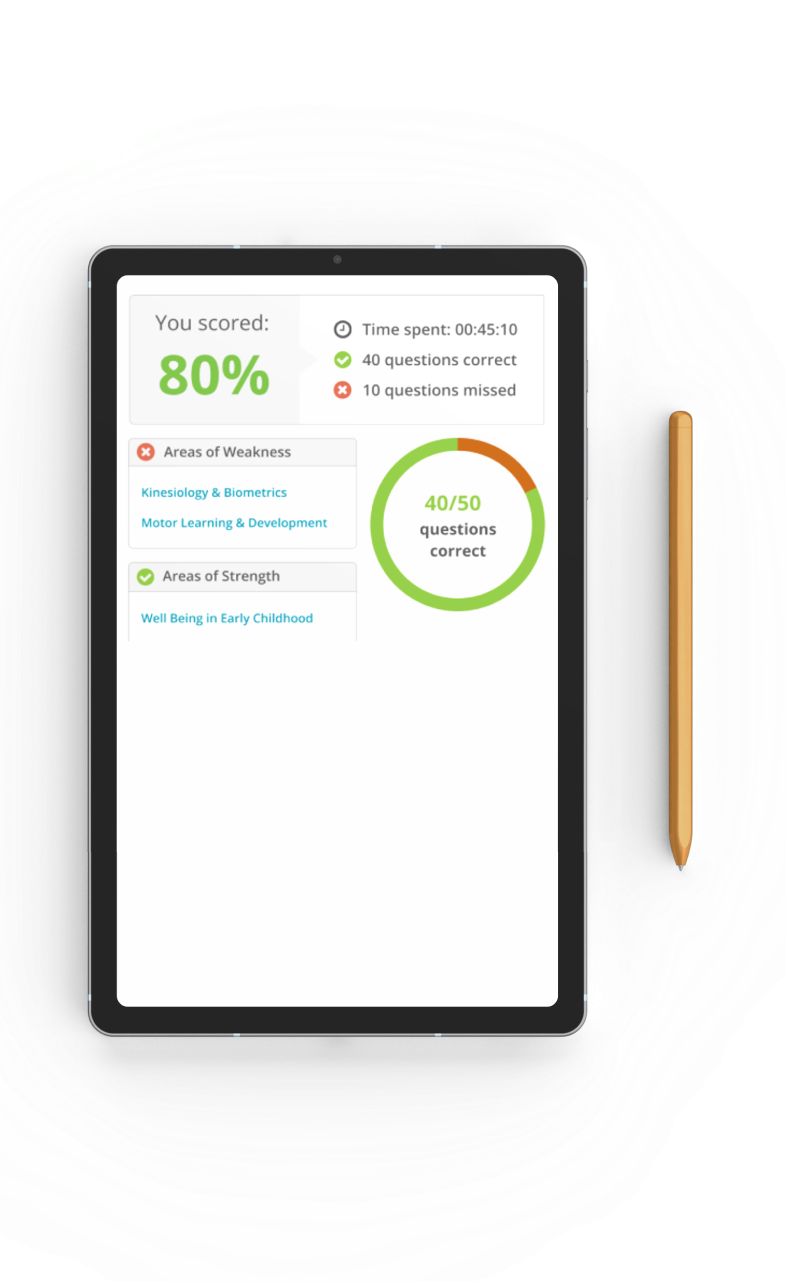
Test-takers can expect to see information in their Praxis score report like their highest score and passing status, as well as a breakdown of all test scores, presented as a raw score out of total possible points and the range of average scores.
Candidates can see their raw score as soon as they finish the structured response portion unless they opt not to. Official scores are released approximately 10-16 days from the last day of a test window. This official score includes structured response and constructed response scores and indicates whether the candidate passed or failed.
Do Praxis Test Scores Expire?
After passing their Praxis exams, test-takers should not have to retake tests again. Even when new editions of the tests are released, scores from previous years are treated as equal to matching scores from the new edition.
Praxis scores do expire after ten years. This means that candidates have ten years to apply for licensure or access their scores after passing their Praxis tests. After this ten year period is up, test-takers must request a copy of their score report and pay a fee to access their scores.
Praxis Test Tips
The only time candidates will have to consider retaking the Praxis exams is if they do not pass. However, candidates shouldn't panic if they don't pass on the first try--they can attempt the test again in 28 days. There is no limit on how many times candidates can attempt the Praxis tests.
There are strategies test-takers can use if they do not pass the Praxis tests on the first try:
- Understand the score report. It can explain which content areas candidates have mastered and which areas they need to keep studying.
- Review practice materials. After candidates know what they need to work on, they can review their test prep tools like notes and study guides.
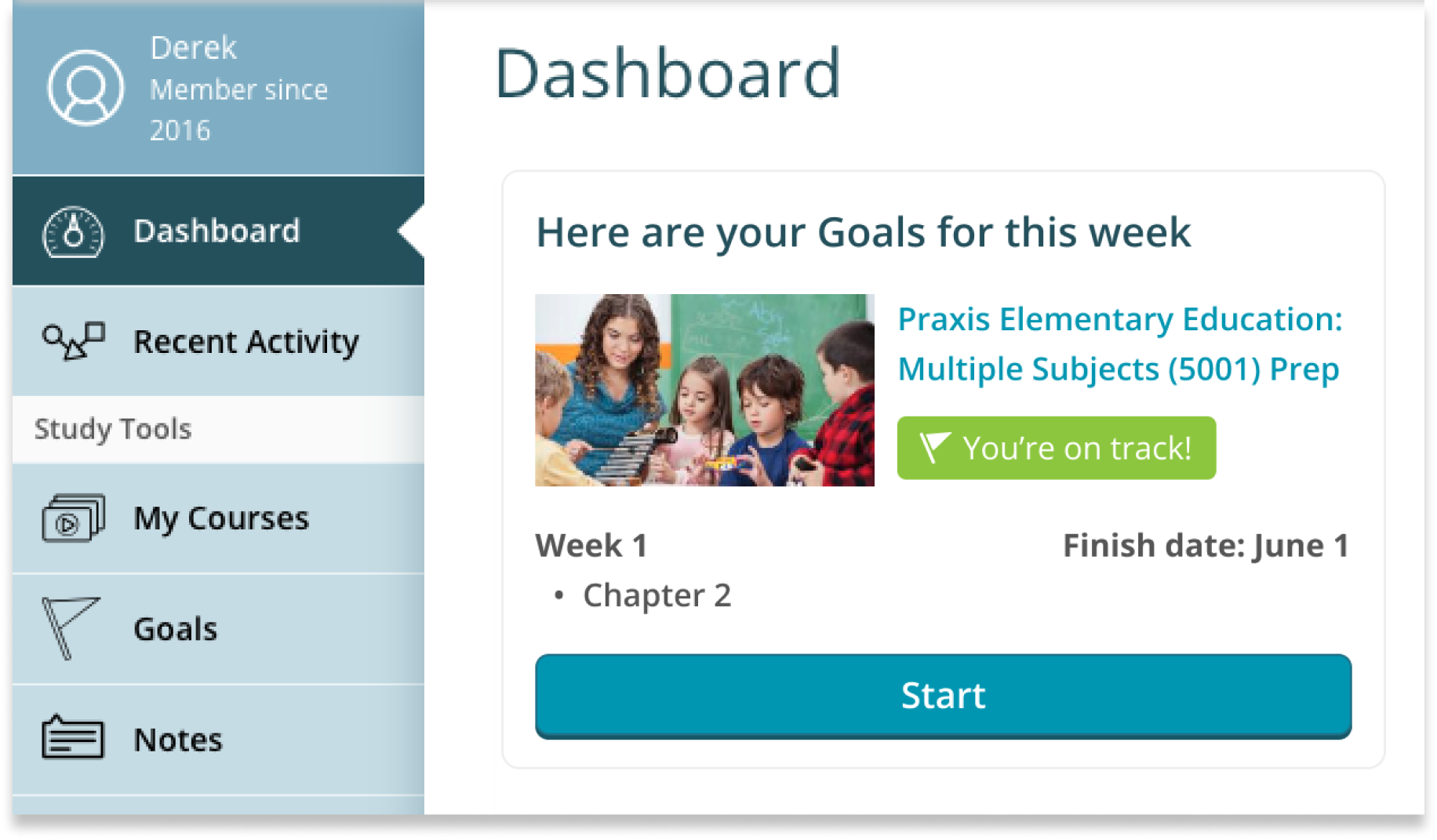
- Utilize online practice tests. Many sites offer free practice tests, as well as the Praxis prep course. These can be invaluable; they can help aspiring educators gauge their progress and understand the areas where they need to study more.
Preparing appropriately after a failed first attempt can help future teachers pass their tests on the second try.
Expert Contributor
Bryan McMahon
Bryan McMahon, M.A. is a high school biology and special education teacher in New Jersey with over 14 years of experience. He has hundreds of hours of experience tutoring aspiring teachers to take the CSET/CBEST exam suite. He has successfully passed the science and special education Praxis exams. Bryan completed a B.S. in Education from Seton Hall University and an M.A. in Teaching from Mangrove College.
-
Praxis scores are calculated as a combination of the raw score and the constructed response score. The constructed response portion is usually weighted more heavily than the selected response portion.
-
If you score between 160 and 180 on any given Praxis test, you are within the average score range. Any score above 180 means you have performed very well.
-
You don't have to retake a Praxis test unless you don't pass on your first try. In that case, you must wait 28 days before attempting the Praxis again. There is no limit to the number of times you can take the Praxis.
 Practice Questions
 Videos
 Lessons
 Flashcards